Before being observed with a transmission electron microscope, the samples must be prepared: they need to be thin enough for the electron beam to pass through. The preparation techniques depend not only on the sample nature and morphology (degree of hardness, biological samples, etc.), but also on the type of characterization required.
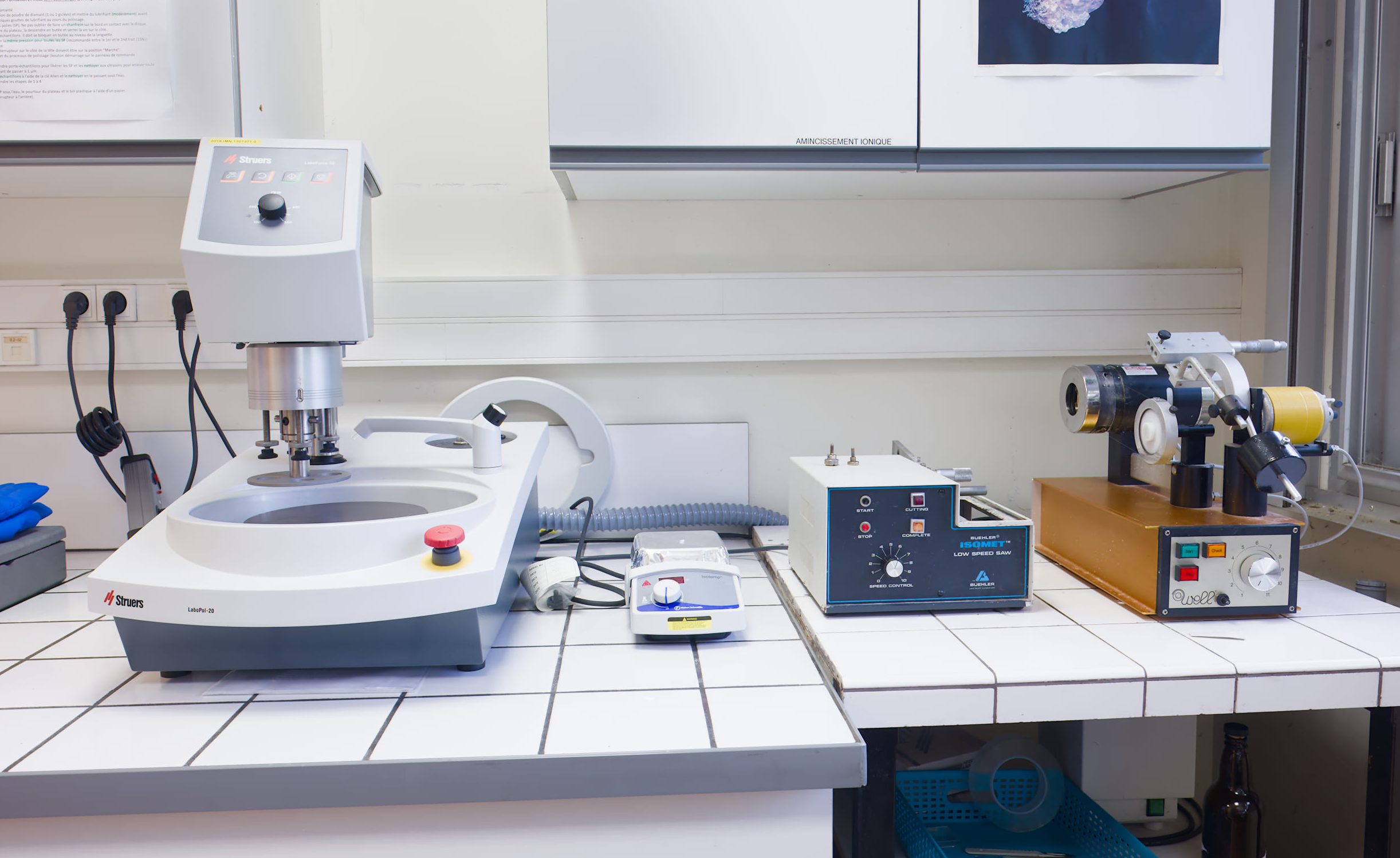
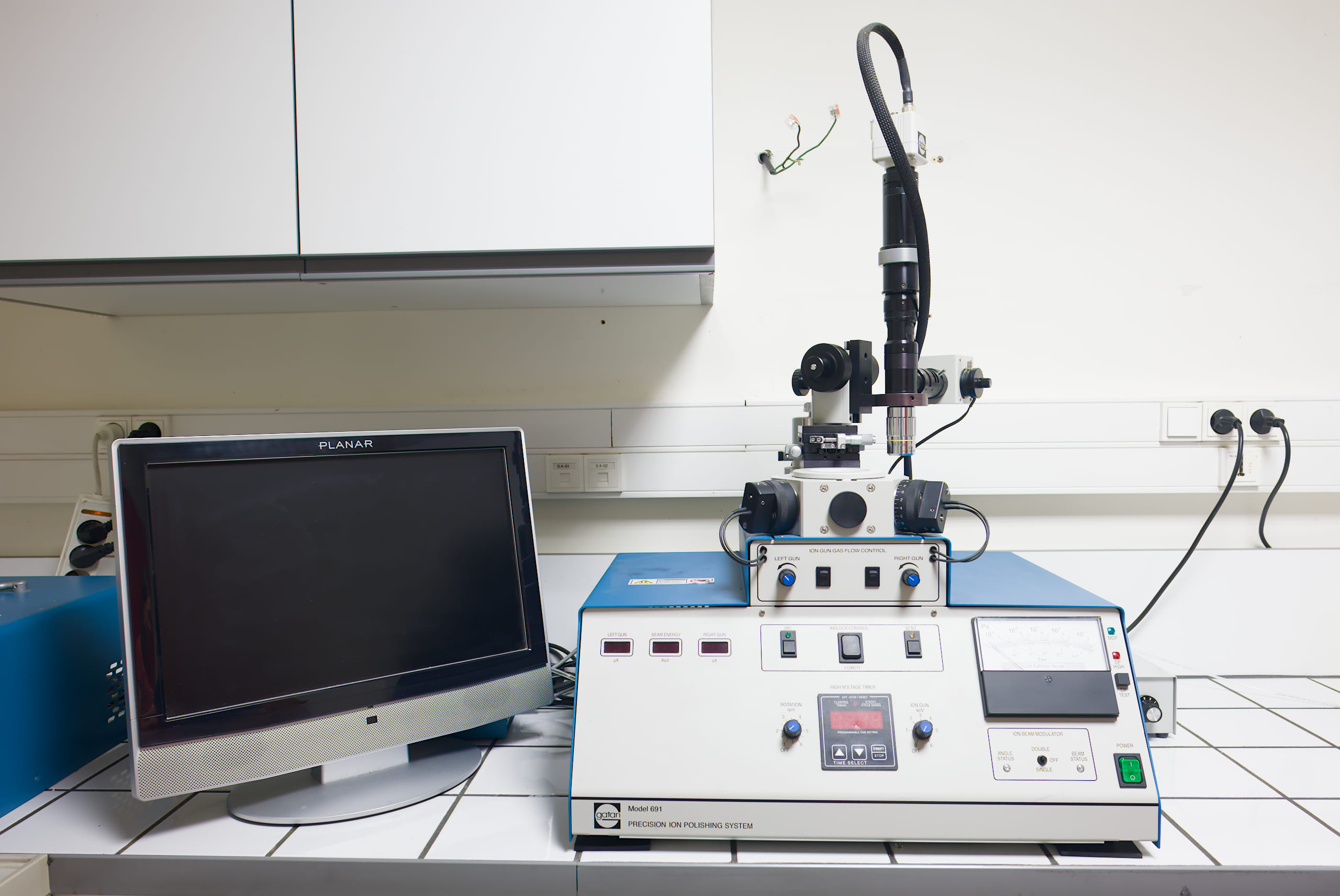
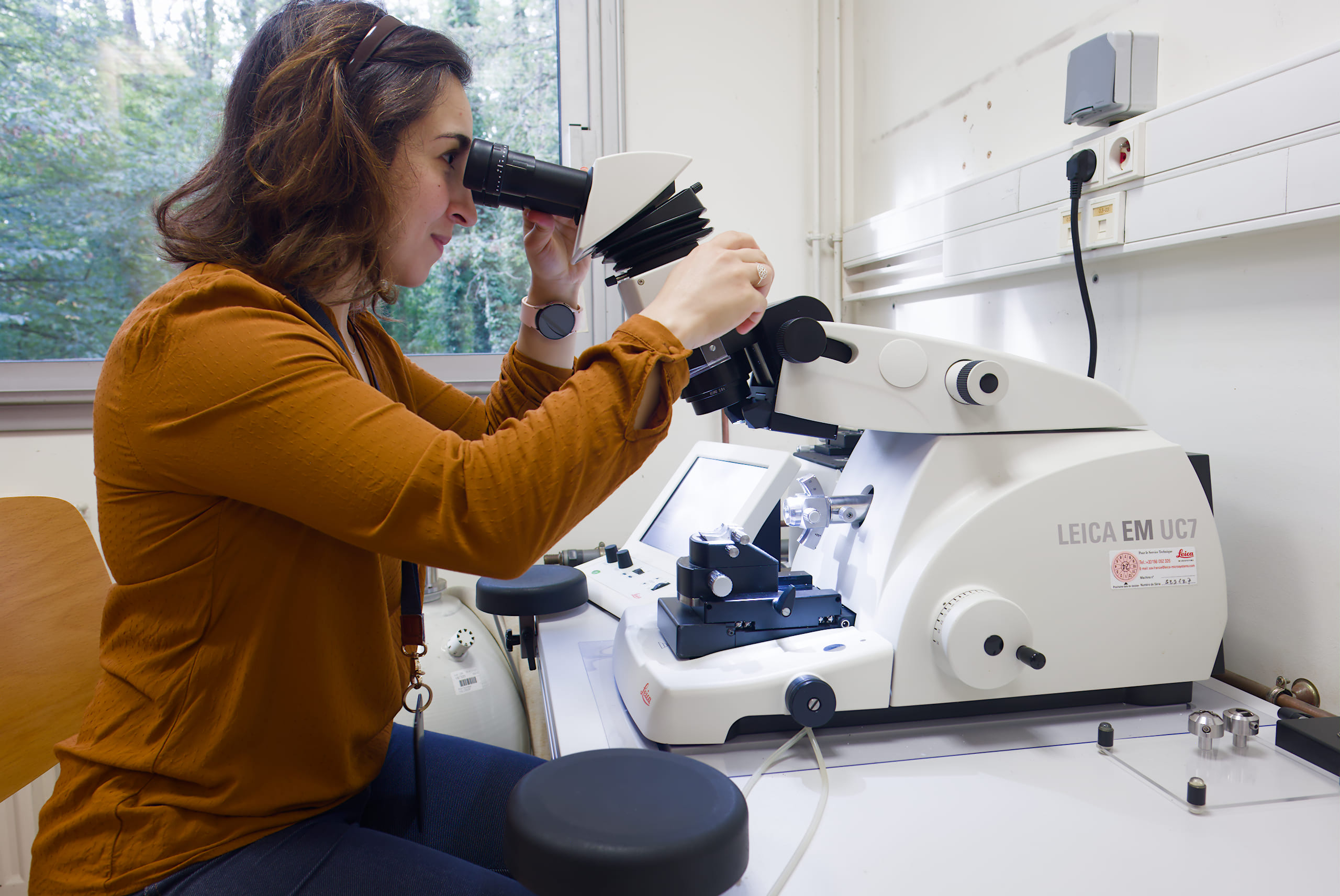
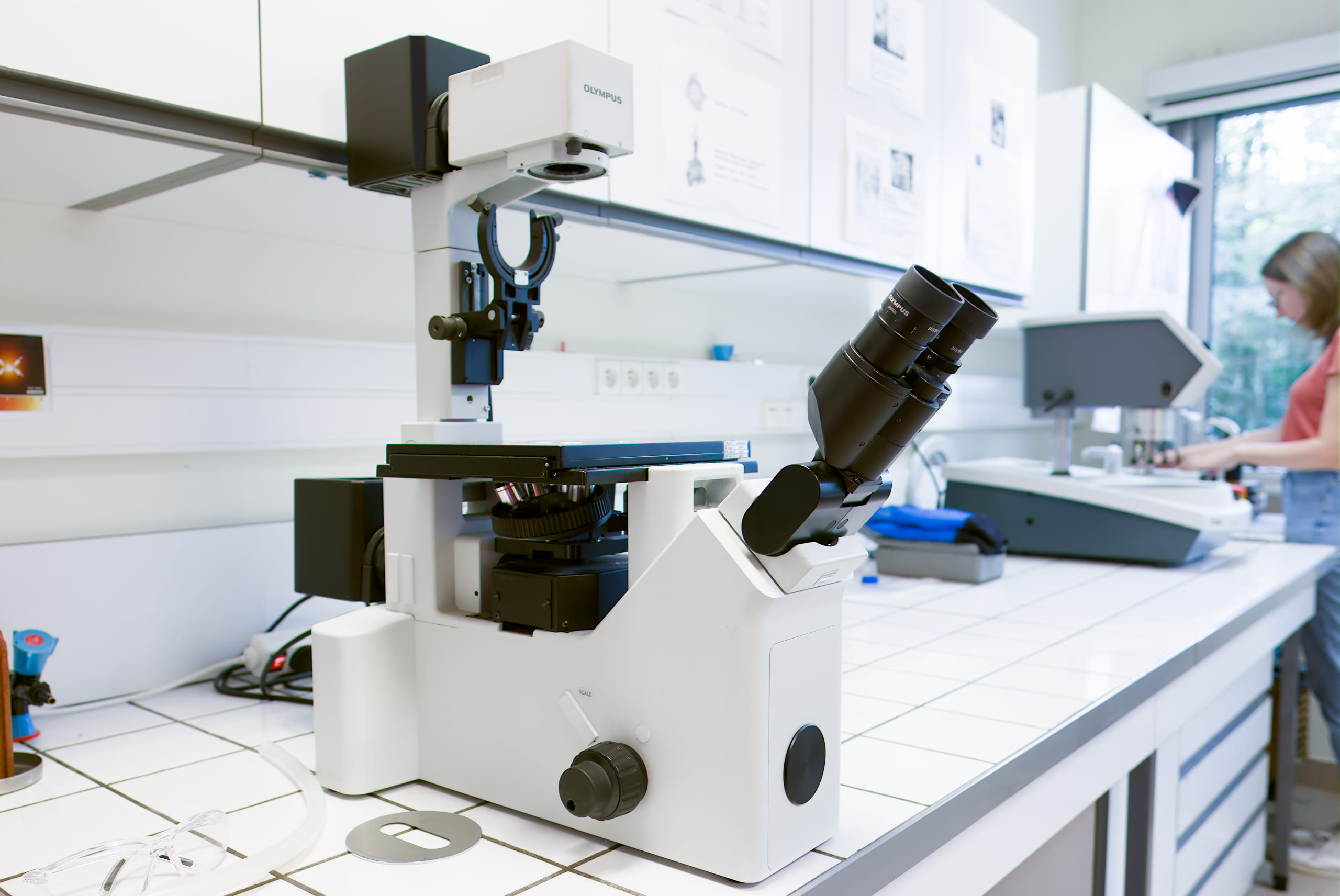
Conventional methods involve thinning samples down to a few tens of nanometers. To achieve this, the PLASSMAT platform is equipped with several polishers, saws (diamond wire and disc), an inverted microscope (Olympus GX1), an ultramicrotome (Leica EM UC7), a cross section polisher (JEOL SM 09010) and a Precison Ion Polishing System (PIPS Gatan Model 691).
JEOL IB19520 ion beam polisher: this device makes an essential contribution to scanning electron microscope observation when it comes to observing a sample from the edge. It can refine the surface to be observed so that it is flat and relief-free, even at high magnification, revealing details inaccessible with any other preparation method. It can operate on a wide variety of samples, thanks to its liquid nitrogen-cooled stage (materials sensitive to heating produced by ion bombardment) and its air-protected transfer system (air-sensitive materials such as those containing lithium). The sample holder system is compatible with direct transfer in both JEOL microscopes (only in the IT 510 for air-protected transfer).
Evaluating a component (current collector, electrode, electrolyte, separator) or a battery material (electroactive material, electronically conductive additive, polymer binder) requires its integration into a small battery called a prototype.
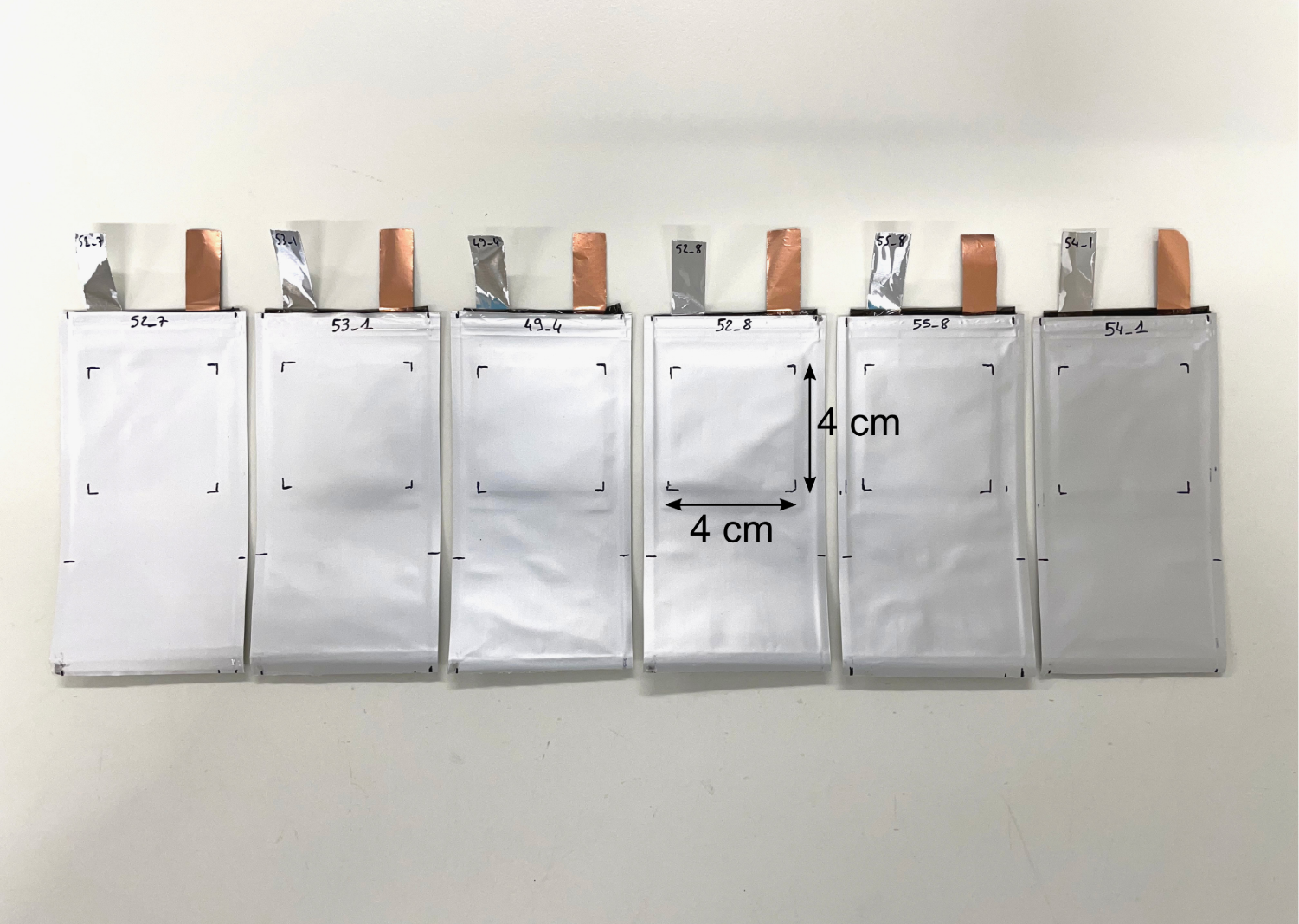
A prototype battery comprises two electrodes (positive and negative), each deposited on a current collector, a separator, an electrolyte, all of wich are assembled in a rigid (coin cell) or flexible (pouch cell) hermetically sealed package.
Mastering the various steps in the manufacture of a battery prototype allows for the proper evaluation of a battery component or material.
Our equipment for prototyping and measuring electrochemical battery performance
Electrode manufacturing
Coin cell assembly
Pouch cell assembly
Electrochemical performance measurement
Examples and applications
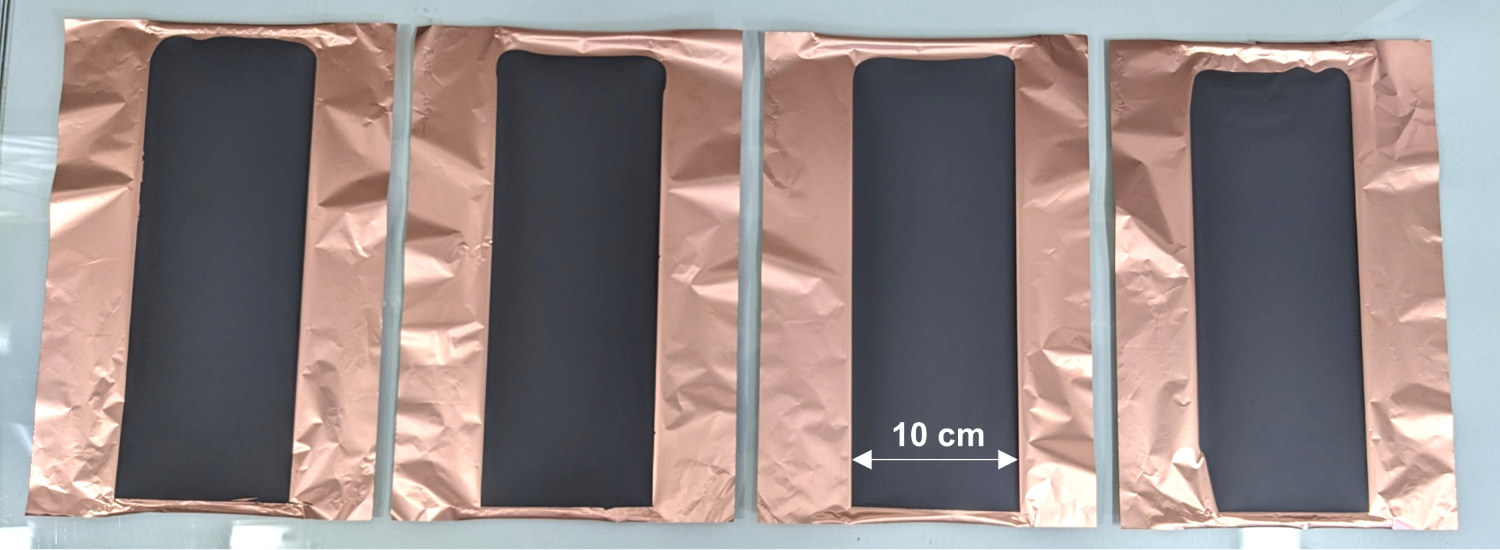
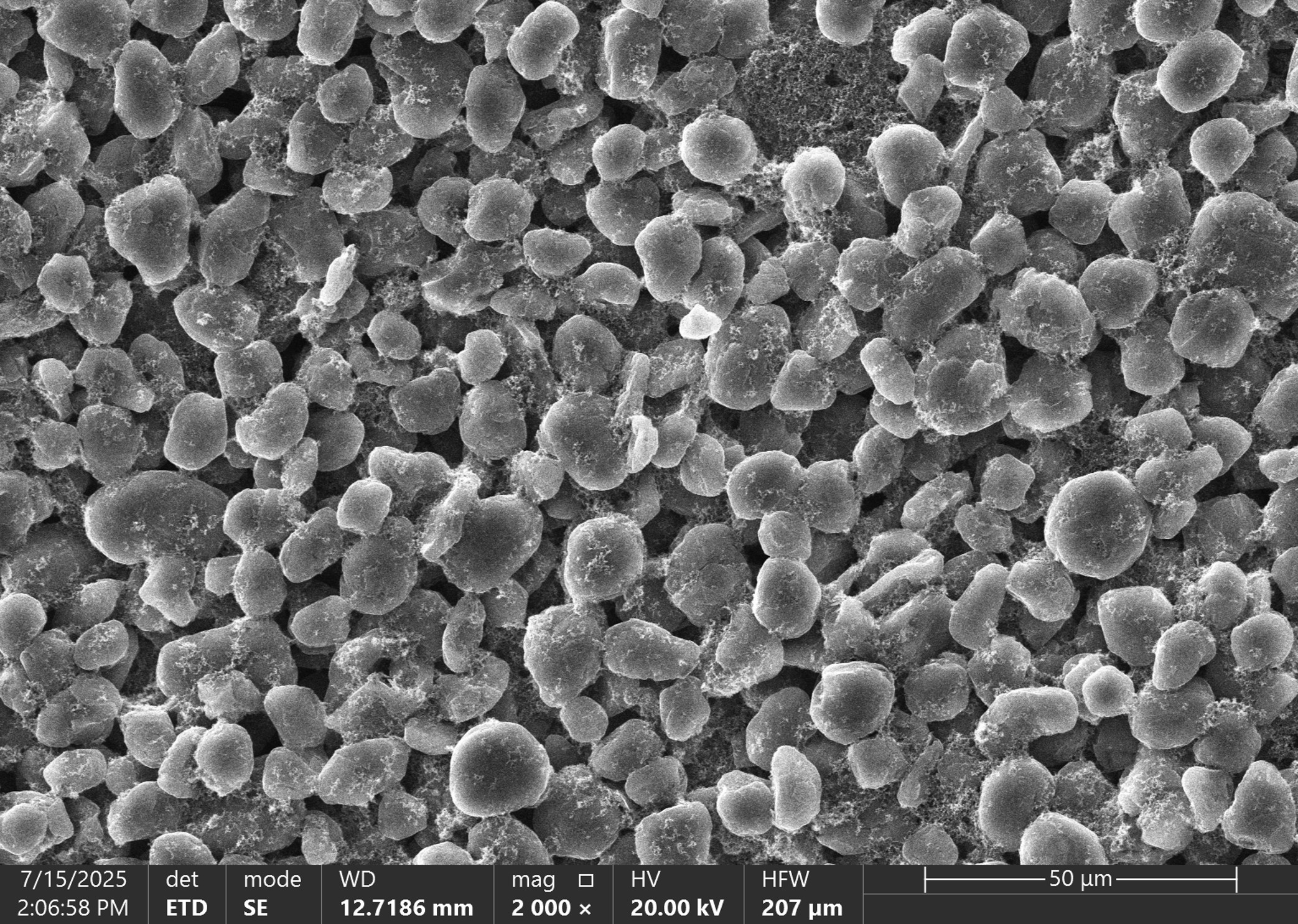
The production of battery prototypes with reproducible performance, that accurately reflects of their constituent components requires strict control over the manufacturing quality of the electrodes. Our equipment enables the coating of homogeneous electrodes up to A4 size (coated surface 10 cm x 30 cm). Control observations via scanning electron microscopy can be performed to ensure the proper distribution of electrode materials within the electrode.